
Impact of Smoking, Diabetes, and Overall Health on Dental Implant Success
Blog:Impact of Smoking, Diabetes, and Overall Health on Dental Implant Success
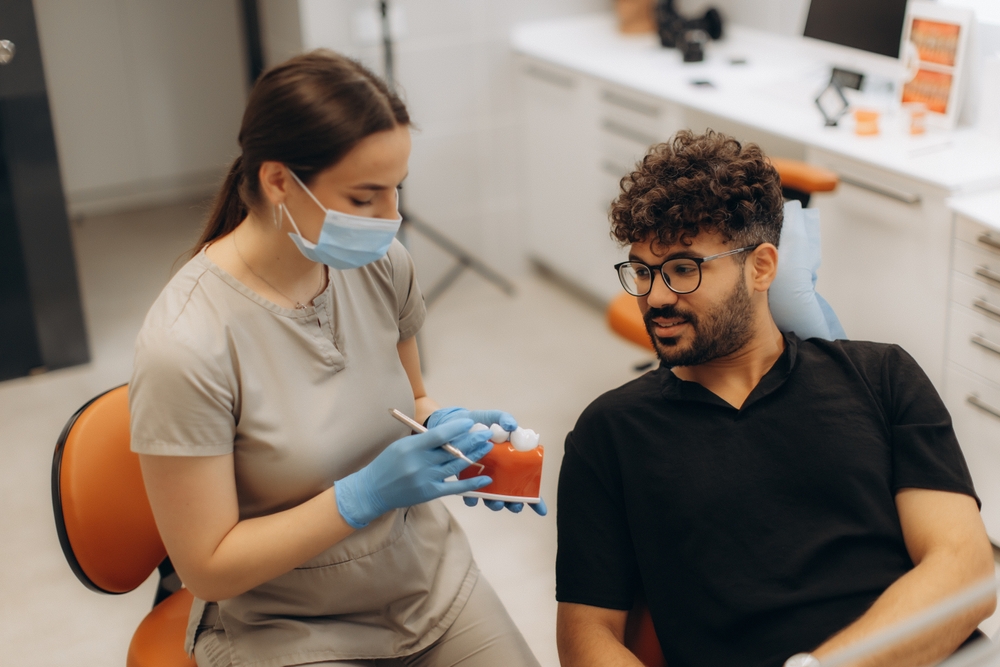
Dental implants can be a reliable long-term solution for missing teeth, but success depends on more than the procedure itself. Healing, bone support, and gum health all play an important role. Factors like smoking, diabetes, and overall health can directly affect how well an implant integrates with the jawbone and how stable it remains over time.
Why Healing Matters After Dental Implant Placement
A dental implant must fuse with the jawbone through a process called osseointegration. This healing phase is what gives the implant its strength and stability. When the body heals efficiently, the dental implant has a better chance of long-term success. When healing is slowed or compromised, the risk of infection, inflammation, or implant failure can increase.
How Smoking Can Lower Implant Success
Smoking is one of the most common risk factors for implant complications. Tobacco reduces blood flow, limits oxygen delivery, and can interfere with how the gums and bone heal after surgery. Smokers may also face a higher risk of gum disease around the implant, which can weaken support over time.
Some of the ways smoking affects dental implants include:
• Slower healing after surgery
• Higher risk of infection
• Reduced bone integration
• Greater chance of gum inflammation
• Increased risk of implant failure over time
The Link Between Diabetes and Implant Outcomes
Diabetes does not automatically rule out dental implants, but blood sugar control matters. When diabetes is poorly managed, the body may heal more slowly and become more vulnerable to infection. This can affect both the early healing phase and the long-term health of the implant site.
Patients with well-controlled diabetes often do very well with implants. Careful planning, medical history review, and follow-up visits help reduce risk and support better results.
Why Overall Health Should Not Be Overlooked
Your overall health can influence dental implant success in several ways. Conditions that affect the immune system, bone density, or healing response may need to be considered before treatment begins. Certain medications, untreated gum disease, and chronic inflammation can also affect whether the implant site is healthy enough for lasting support.
A thorough evaluation helps identify these concerns early so treatment can be planned with your long-term health in mind.
The Importance of Personalized Treatment Planning
Every patient brings a different health history to implant care. A detailed exam, imaging, and discussion of lifestyle habits allow us to determine whether dental implant treatment is the right fit and what steps may improve the chance of success. In some cases, quitting smoking, improving blood sugar control, or addressing periodontal issues before placement can make a meaningful difference.
Long-Term Maintenance Still Matters
Even after an implant heals well, long-term success depends on maintenance. Good brushing and flossing habits, routine professional cleanings, and regular exams help protect the gums and bone around the implant. Patients who stay proactive with their oral and overall health are often better positioned for lasting results.
Contact Fort Greene Dental to schedule a consultation and learn whether dental implants are right for you. Visit our office in Brooklyn, New York, or call (718) 783-6228 to book an appointment today.
Quick Links
Helpful Articles
article_category: eye health
article_category: preventative
article_category: products
article_category: technology
article_category: vision therapy
article_category: surgical procedures
article_category: conditions
article_category: exotic
article_category: health
article_category: ocular disease management
article_category: contact lenses
article_category: eye surgery co-management
article_category: cats
article_category: cosmetic
article_category: FAQ
article_category: eyeglasses
article_category: aesthetics
article_category: services
article_category: restorative
article_category: dogs
article_category: general
article_category: psychiatry
article_category: large animal
[]
article_category: preventative
article_category: products
article_category: technology
article_category: vision therapy
article_category: surgical procedures
article_category: conditions
article_category: exotic
article_category: health
article_category: ocular disease management
article_category: contact lenses
article_category: eye surgery co-management
article_category: cats
article_category: cosmetic
article_category: FAQ
article_category: eyeglasses
article_category: aesthetics
article_category: services
article_category: restorative
article_category: dogs
article_category: general
article_category: psychiatry
article_category: large animal
[]
Flowbite is an open-source library of interactive components built on top of Tailwind CSS including buttons, dropdowns, modals, navbars, and more.
Check out this guide to learn how to get started and start developing websites even faster with components on top of Tailwind CSS.
All Dental Services
We offer a wide variety of dental services to the Brooklyn community. Contact us with any questions about our services.

Keep In Touch
For non-urgent questions or to learn more about our services, contact us today!
© 2025 Fort Greene Dental. All rights Reserved - Accessibility Statement - Privacy Policy - Sitemap
Managed and Designed by 