
TMJ Pain or Teeth Grinding? How Brooklyn Patients Can Tell What’s Really Causing Their Jaw Pain
Blog:TMJ Pain or Teeth Grinding? How Brooklyn Patients Can Tell What’s Really Causing Their Jaw Pain
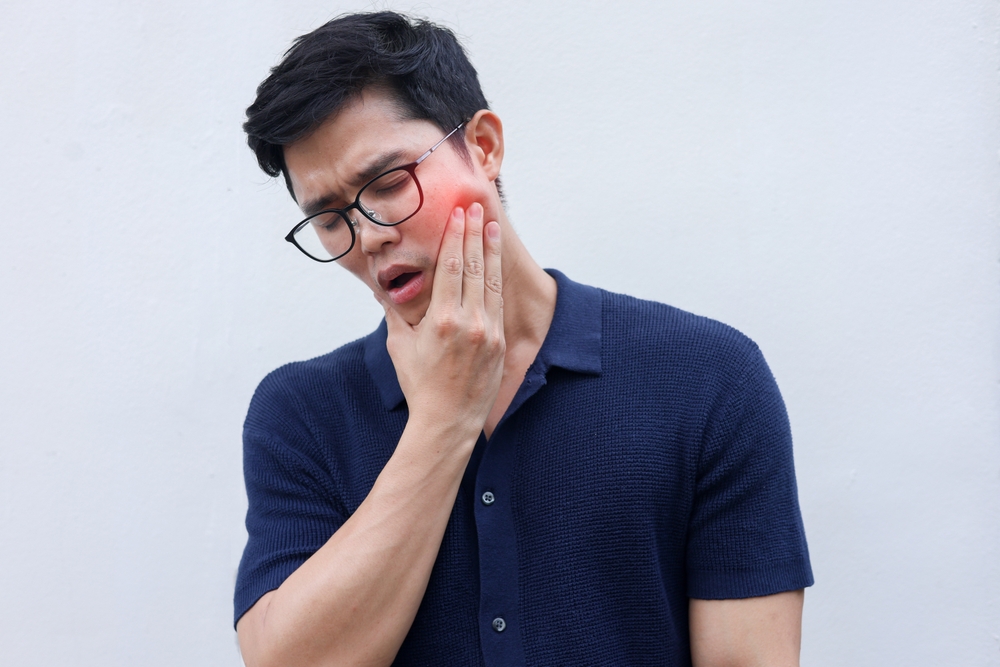
Jaw pain can be frustrating because it is not always easy to tell where it starts. Some Brooklyn patients feel soreness when chewing, while others notice headaches, tooth sensitivity, clicking, or tension near the ears. Two common causes are TMJ problems and teeth grinding, also called bruxism. Because these conditions can overlap, we look at your symptoms, bite, teeth, jaw joints, and daily habits to better understand what is contributing to the discomfort. The TMJ, or temporomandibular joint, connects your jaw to your skull. When this joint or the surrounding muscles become strained, inflamed, or irritated, it can lead to pain and limited jaw movement. TMJ discomfort may feel like aching in the jaw, tenderness near the ears, trouble opening wide, or clicking and popping when you chew or speak. Some patients also experience facial tension, neck discomfort, or headaches. TMJ pain may worsen with chewing, yawning, stress, or clenching. Teeth grinding often happens during sleep, which means many patients do not realize they are doing it. Over time, grinding or clenching can place extra pressure on the teeth, jaw muscles, and joints. Signs of teeth grinding may include worn tooth edges, morning jaw soreness, tooth sensitivity, chipped teeth, or tight facial muscles. Some patients wake up with headaches or feel like their bite is “off.” Even if the grinding itself is not painful at first, the repeated force can lead to jaw pain and dental damage over time. While TMJ pain and teeth grinding can happen together, certain symptoms may point more strongly to one concern than the other: These signs can help guide the conversation, but a dental exam is the best way to identify what is really happening. Jaw pain that comes and goes may still be a sign of ongoing stress on the teeth, muscles, or joints. Waiting too long can allow symptoms to become more frequent or harder to manage. A dental evaluation can help determine whether the pain is related to your bite, grinding habits, tooth damage, inflammation, or another dental concern. We may also look for signs of cracked teeth, gum issues, or restorations that are under excess pressure. At Fort Greene Dental, we take a detailed approach to jaw pain. We listen to your symptoms, examine your teeth and bite, check for wear or damage, and evaluate how your jaw moves. If teeth grinding is involved, a custom night guard may help reduce pressure while you sleep. If TMJ dysfunction is contributing to your discomfort, we can discuss treatment options based on the cause and severity. For jaw pain, TMJ concerns, or teeth grinding in Brooklyn, contact Fort Greene Dental at 136 Saint James Place, Brooklyn, NY 11238 by calling (718) 783-6228.Jaw Pain Can Come From More Than One Cause
What TMJ Pain Often Feels Like
How Teeth Grinding Can Affect Your Jaw
Key Differences Patients May Notice
Why Jaw Pain Should Not Be Ignored
How We Help Identify the Source
Quick Links
Helpful Articles
article_category: eye health
article_category: preventative
article_category: products
article_category: technology
article_category: vision therapy
article_category: surgical procedures
article_category: conditions
article_category: exotic
article_category: health
article_category: ocular disease management
article_category: contact lenses
article_category: eye surgery co-management
article_category: cats
article_category: cosmetic
article_category: FAQ
article_category: eyeglasses
article_category: aesthetics
article_category: services
article_category: restorative
article_category: dogs
article_category: general
article_category: psychiatry
article_category: large animal
[]
article_category: preventative
article_category: products
article_category: technology
article_category: vision therapy
article_category: surgical procedures
article_category: conditions
article_category: exotic
article_category: health
article_category: ocular disease management
article_category: contact lenses
article_category: eye surgery co-management
article_category: cats
article_category: cosmetic
article_category: FAQ
article_category: eyeglasses
article_category: aesthetics
article_category: services
article_category: restorative
article_category: dogs
article_category: general
article_category: psychiatry
article_category: large animal
[]
Flowbite is an open-source library of interactive components built on top of Tailwind CSS including buttons, dropdowns, modals, navbars, and more.
Check out this guide to learn how to get started and start developing websites even faster with components on top of Tailwind CSS.
All Dental Services
We offer a wide variety of dental services to the Brooklyn community. Contact us with any questions about our services.

Keep In Touch
For non-urgent questions or to learn more about our services, contact us today!
© 2025 Fort Greene Dental. All rights Reserved - Accessibility Statement - Privacy Policy - Sitemap
Managed and Designed by 