
Getting Used to New Dentures: Eating and Speaking With Confidence
Blog:Getting Used to New Dentures: Eating and Speaking With Confidence
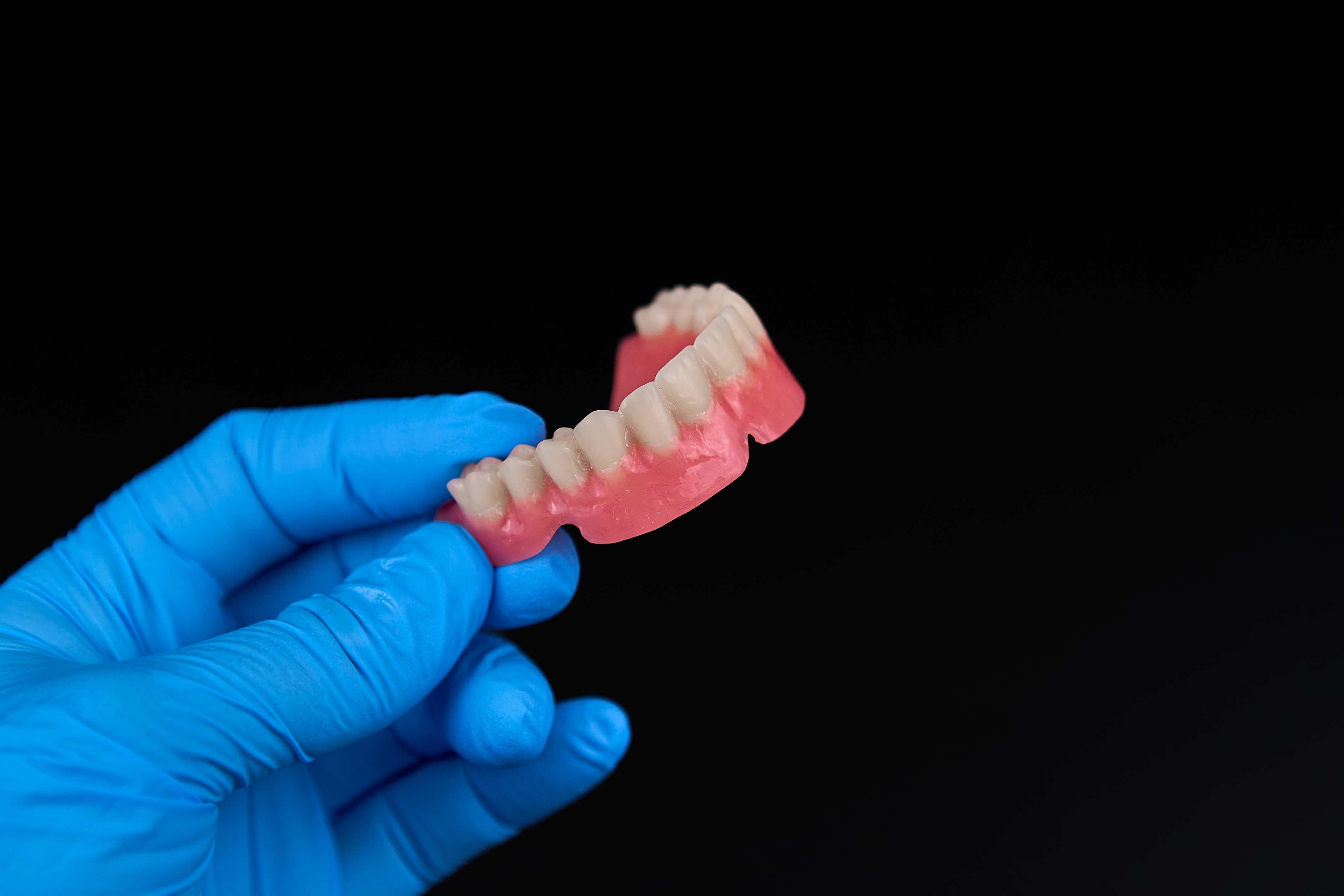
New dentures can restore missing teeth and make eating, speaking, and smiling easier, but they usually require an adjustment period. Your mouth, tongue, cheeks, and jaw muscles need time to learn how the new appliance feels and functions.
At Fort Greene Dental in Brooklyn, we provide custom dentures and prosthodontic care based on each patient's individual needs. Knowing what to expect during the first few weeks can make the transition more comfortable and help you recognize when a professional adjustment may be needed.
Why Do New Dentures Feel Different at First?
Even well-fitted dentures can initially feel larger or more noticeable than your natural teeth. You may experience increased saliva, mild gum tenderness, or the feeling that your tongue has less room.
These sensations often improve as your mouth becomes accustomed to the appliance. Following your dentist's instructions and attending recommended follow-up visits allows small fit concerns to be addressed before they become more uncomfortable.
Persistent pain, open sores, or significant difficulty keeping the dentures in place should not simply be accepted as part of the adjustment process.
How Should You Start Eating With New Dentures?
Eating comfortably with dentures takes practice. Begin with foods that are soft and easy to chew, then gradually return to a wider variety as your confidence improves.
Helpful habits include:
Cut food into smaller, manageable pieces
Chew slowly using both sides of your mouth when possible
Begin with soft foods such as eggs, fish, cooked vegetables, and pasta
Avoid very sticky or hard foods while you are still adjusting
Be cautious with extremely hot foods until you are comfortable judging temperature
Take your time rather than trying to eat exactly as you did before dentures
Chewing evenly can help keep the dentures more stable than placing all the pressure on one side.
Will Dentures Change the Way You Speak?
It is common for certain words or sounds to feel different at first. Your tongue has to adapt to the shape and position of the new teeth and denture base.
Reading aloud for a few minutes each day can help you become more comfortable. Practice words that feel difficult, especially those containing "s," "f," or other sounds that require precise tongue placement.
Speaking may initially feel slower or less natural, but most patients become more confident with practice. If speech continues to be difficult after you have had time to adapt, we can check whether the fit or tooth position needs attention.
What If Your Dentures Slip While Talking or Eating?
Some movement can occur while you are learning how to use new dentures. Your cheek and tongue muscles gradually learn how to help stabilize the appliance.
However, repeated slipping, clicking, or movement should be discussed with your dentist. A denture that does not fit properly can create sore areas and make eating more difficult.
Your gums and jawbone can also change over time after tooth loss. A denture that once fit comfortably may eventually require an adjustment, reline, or replacement.
Why Are Follow-Up Visits Important?
Follow-up appointments allow us to identify pressure spots and evaluate how your dentures fit while your mouth adjusts. Small modifications can sometimes improve comfort significantly.
Do not attempt to file, bend, or reshape dentures yourself. Home adjustments may permanently damage the appliance or create an uneven fit.
Regular dental appointments remain important even for patients with complete dentures. We still need to examine your gums, tongue, cheeks, bite, and other oral tissues. Patients with partial dentures also need ongoing care for the natural teeth supporting the appliance.
Building Confidence Takes Time
Learning to eat and speak with new dentures is a skill, and it is normal for the process to take some practice. Start gradually, follow your care instructions, and let us know when something does not feel right rather than trying to tolerate ongoing discomfort.
If you are adjusting to new dentures or need help with an uncomfortable fit, contact Fort Greene Dental at 136 Saint James Place, Brooklyn, NY 11238 by calling (718) 783-6228 to schedule a denture evaluation.
Quick Links
Helpful Articles
article_category: health
article_category: ocular disease management
article_category: contact lenses
article_category: eye surgery co-management
article_category: cats
article_category: cosmetic
article_category: FAQ
article_category: eyeglasses
article_category: aesthetics
article_category: services
article_category: eye health
article_category: preventative
article_category: products
article_category: technology
article_category: vision therapy
article_category: surgical procedures
article_category: conditions
article_category: exotic
article_category: restorative
article_category: dogs
article_category: general
article_category: psychiatry
article_category: large animal
[]
Flowbite is an open-source library of interactive components built on top of Tailwind CSS including buttons, dropdowns, modals, navbars, and more.
Check out this guide to learn how to get started and start developing websites even faster with components on top of Tailwind CSS.
All Dental Services
We offer a wide variety of dental services to the Brooklyn community. Contact us with any questions about our services.

Keep In Touch
For non-urgent questions or to learn more about our services, contact us today!
© 2026 Fort Greene Dental. All rights Reserved - Accessibility Statement - Privacy Policy - Sitemap
Managed and Designed by 